


How to Properly Care for your Mackage Coat
Preserve the Investment: Why Proper Care Matters
How to clean a coat is really a question of how to protect a long-term investment. A well-made coat is not just another seasonal layer; it is a piece you count on for warmth, structure, and polish in your everyday city life. When you care for it correctly, you help maintain the shape of the fabric, the loft of the insulation, the richness of the color, and the smooth action of zippers and snaps.
At Mackage, we design outerwear to balance warmth, style, and mobility, and that performance depends on the integrity of the materials. Cleaning is part of that design story. Treating your coat with respect means understanding what it is made of and how those materials react to water, heat, and solvents. This guide applies broadly to quality outerwear, but the care label on your exact piece always has the final word. If anything is unclear, or if you are ever unsure about a step, a professional dry cleaner, ideally a leather specialist, is the safest path.
Start Smart: Read the Care Label Before Anything Else
Before you reach for detergent or turn on the washing machine, pause and find the care label inside your coat. It is usually sewn into a side seam or just below the inner collar. That small tag tells you more about how to clean a coat than any generic advice ever could.
Key things to look for include:
- Fabric composition, for both shell and lining
- Insulation type, such as down or synthetic fill
- Cleaning method, for example, dry clean only or machine washable
- Temperature limits and drying instructions
Take a moment to read the symbols as well as the text. Common warnings you might see are:
- Do not bleach
- Do not wring
- Do not tumble dry, or tumble dry on low only
- Dry clean only, sometimes with specific solvent guidance
If the coat contains a mix of materials, trims you are not sure about, or wording that feels unclear, stop there. How to clean a coat is never one-size-fits-all, and in those situations, choosing professional care is the smarter option. When in doubt, or if you cannot confidently identify the fabric or finishes, treat it as a specialist piece and bring it to a cleaner who is familiar with luxury outerwear.
Coats with Leather, Fur, Shearling, Suede, or Trench / Rain Fabrics
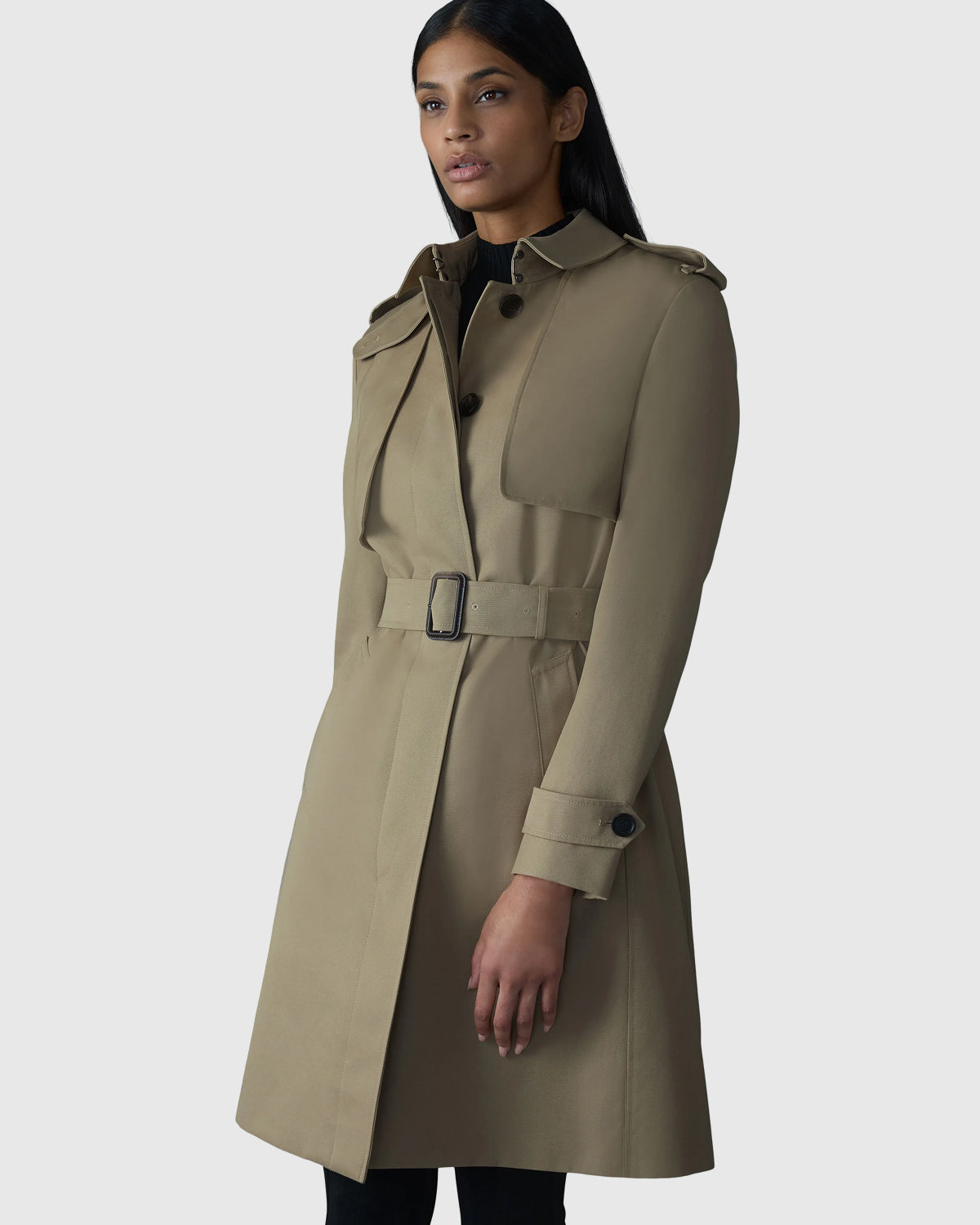
Many of our pieces feature leather trim, fur accents, shearling panels, suede details, or technical trench and rain fabrics. Any coat that includes non-removable leather, fur, shearling, or suede, as well as trench coats and raincoats, belongs in a special-care category. These materials react differently to water and heat than a simple fabric shell.
For this group, the recommended cleaning method is clear:
- Dry clean by a leather specialist only
- Use oil-based solvent only
- Do not use perchloroethylene
Water or harsh household chemicals can stiffen leather, flatten shearling, leave watermark stains on suede, or strip the protective finish from performance rain fabrics. Even a small mistake can affect both appearance and function. This is where respecting the craftsmanship matters most.
Between professional cleanings, you can still care for these coats at home in gentle ways:
- Use a slightly damp, soft cloth to spot-wipe fabric-only areas, keeping water away from leather, fur, shearling, and suede
- Allow mud or dry dirt on suede to dry, then brush lightly with a suede brush
- Detangle fur with your fingers only, never with a comb or brush
- Hang the coat to air out after wet weather, away from direct heat
If your coat blends multiple sensitive materials, or if you are hesitating about how to clean it safely, the best rule is to default to a leather specialist. The cost of professional care is small compared to the value of preserving a luxury finish.
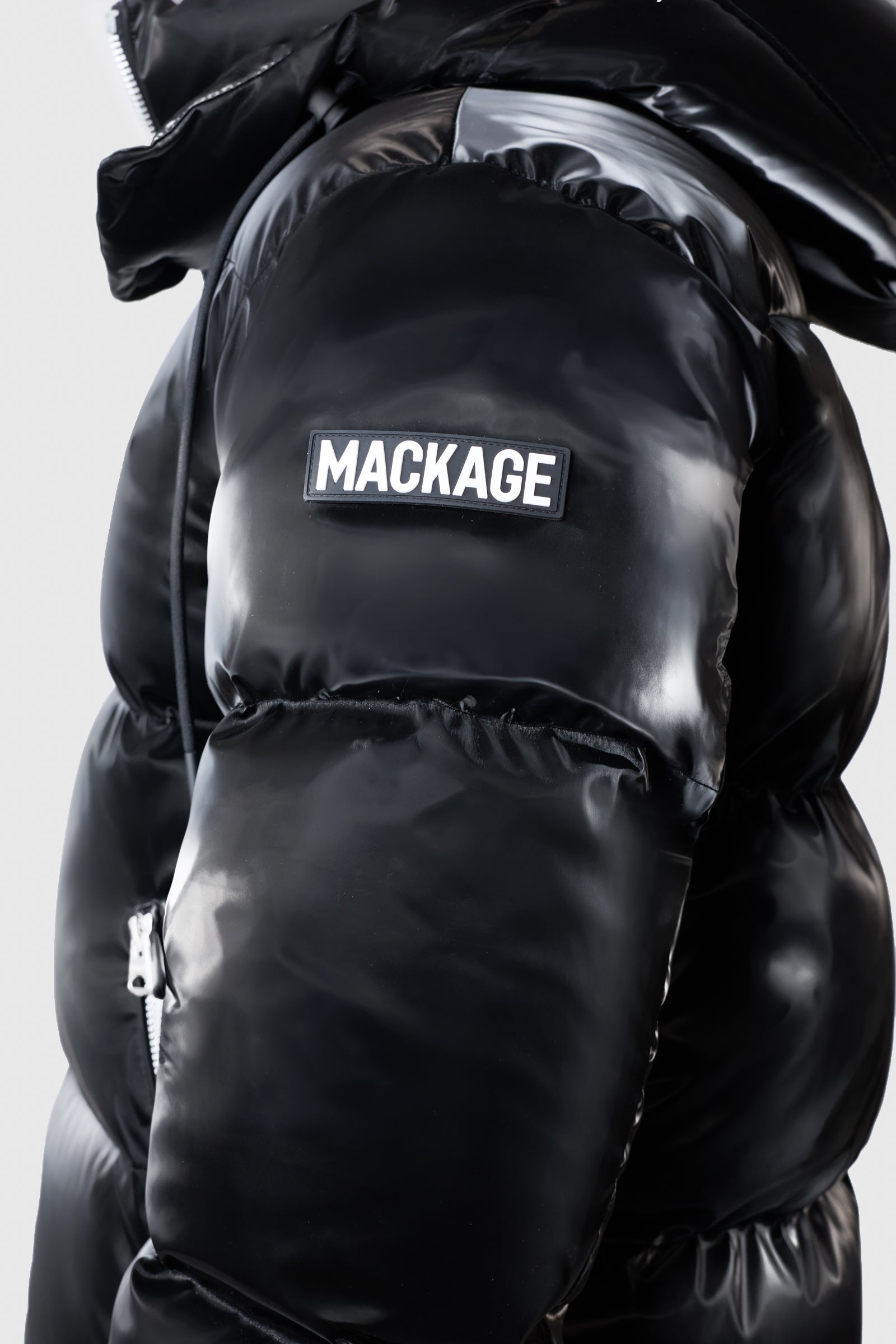
Classic Down Parkas, Light Down, Vests, and Puffers
Classic down parkas, light down jackets, vests, and puffers without leather, shearling, suede or fur attached can often be cleaned at home, as long as you follow the care label closely. First, remove any detachable fur trims and accessories so you are working only with the fabric and down.
Before washing, prepare the coat:
- Close all zippers and fasten all snaps or buttons
- Remove fur and all removable trims
- Turn the coat inside out to reduce abrasion on the shell
For washing, follow these guidelines unless your specific label says otherwise:
- Wash in a domestic machine on a normal setting
- Use water that does not exceed 30°C/86°F (40°C/104°F in some cases)
- Choose a mild detergent suitable for technical or delicate fabrics
- Do not soak, and remove the coat immediately at the end of the cycle
- Do not bleach, do not wring, and do not iron or press
Down needs careful drying to restore its loft. Proper drying steps include:
- Tumble dry on low heat only
- Add clean tennis balls to the drum to help break up clumps and restore volume
- Continue drying until the coat is completely dry, which may take 1 to 3 hours
Stopping too early is one of the most common mistakes. Incomplete drying can lead to clumped insulation, odor, cold spots, and even mildew inside the baffles. If machine care is not possible in your space, or if you simply prefer not to wash at home, you can choose to dry clean these pieces using oil-based solvent only, never perchloroethylene.
Spot Cleaning, Odor Control, and Storage Between Seasons
Not every mark requires a full cleaning. A simple framework can help you decide what to do. Light surface dirt, a small spot, or a faint mark at the cuff often calls only for spot cleaning. Heavier grime, set-in stains, or widespread odor usually means it is time for a full wash or professional dry clean.
For spot cleaning most fabric shells, except leather, suede, or shearling:
- Use a soft cloth or sponge and lukewarm water
- Add a very small amount of mild detergent if needed
- Blot gently rather than rubbing hard, to protect the weave and finish
- Rinse away soap residue with a clean damp cloth
- Air-dry away from direct heat or intense sunlight
Odor control can often be handled without a full clean:
- Hang the coat on a wide hanger in a dry, shaded, well-ventilated space
- Allow several hours of airflow after heavy wear
- If permitted by the care label, lightly refresh the lining only with a fabric-safe spray, avoiding insulation and special trims
Thoughtful storage reinforces everything you do when you think about how to clean a coat. Before long-term storage:
- Clean or have the coat professionally treated so stains do not set over time
- Store on a sturdy hanger that supports the shoulders
- Leave room for air circulation between garments
- Use a breathable garment bag, not plastic, and avoid damp basements or very hot areas
Care Routines That Extend the Life of Your Coat
Consistent, low-effort care is what keeps a luxury coat looking and performing as it should. Instead of waiting for damage to appear, build simple rituals into your routine. After days with heavy city wear, quickly scan your coat for salt marks, street dust, or makeup along the collar. Addressing these early makes stains far easier to remove.
Helpful habits include:
- Weekly or seasonal spot cleaning so marks do not become permanent
- Regular fluffing of down pieces, especially after rain or snow, to keep insulation even
- Gently reshaping collars, hems, and cuffs after they get compressed in transit
- Checking zippers and snaps periodically to keep them free of grit
Thoughtful maintenance preserves warmth retention, fabric drape, color consistency, and the smooth function of hardware. The core rules from how to clean a coat are simple: always start with the care label, separate specialty materials from washable down, respect temperature and solvent guidance, and choose a leather specialist if anything feels uncertain. When you treat your coat more like a tailored garment than a throw-on layer, it will continue to deliver the balance of protection and style you expect season after season.
Keep Your Mackage Coat Looking Its Best Season After Season
At Mackage, we design every piece to last, and proper maintenance is a key part of that longevity. If you have questions about materials, care instructions, or specific cleaning concerns, you can contact us for personalized guidance.